
Shaving every week or booking painful waxing sessions can feel like a never-ending cycle. That’s why more people are turning to laser hair removal as a safe, effective, and long-lasting way to reduce unwanted hair. In 2025, this treatment will become more advanced than ever, offering smoother skin with less hassle.
This guide will walk you through everything you need to know: how it works, costs, results, side effects, and whether it’s the right choice for you.
What Is Laser Hair Removal, and How Does It Work?
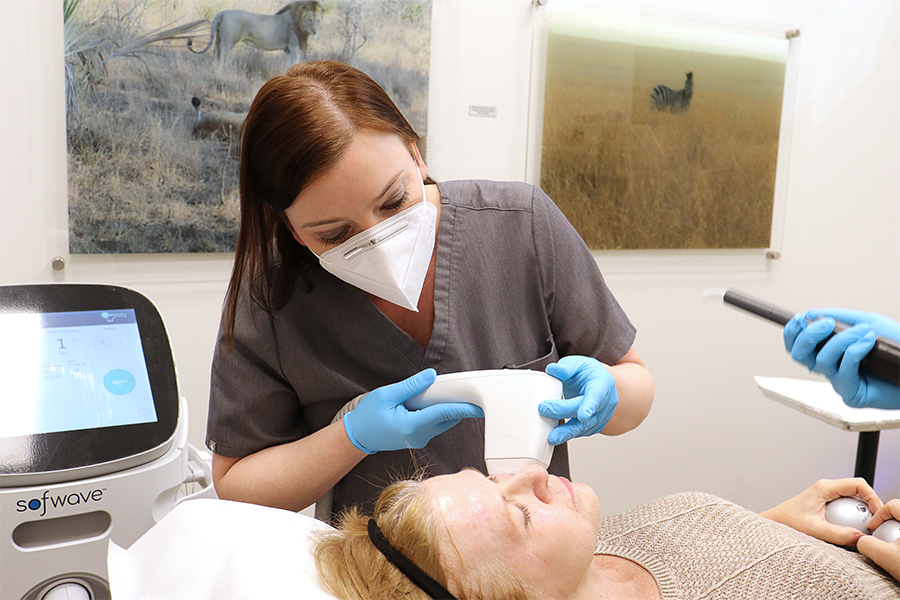
Laser hair removal uses concentrated beams of light to target the pigment (melanin) in hair follicles. The laser energy damages the follicle, slowing down or even stopping future hair growth.
Unlike shaving, which only cuts hair on the surface, or waxing, which pulls hair from the root, laser hair removal addresses the source the follicle itself. This is why results last much longer.
Which Areas Can Be Treated with Laser Hair Removal?
One of the biggest advantages of laser hair removal is that it can target almost any area of the body, including:
- Face (upper lip, chin, sideburns)
- Underarms
- Arms and legs
- Bikini line and Brazilian area
- Chest and back
Neck and shoulders
Laser Hair Removal vs Traditional Methods (Waxing/Shaving)
Why choose laser hair removal over waxing or shaving?
- Shaving: Quick, but hair grows back in 1 to 3 days, often with razor burn or ingrown hairs.
- Waxing: Lasts 3 to 6 weeks, but is painful and can cause irritation.
Laser hair removal: long-term reduction, smoother skin, fewer ingrown hairs, and less pain over time.
How Many Sessions Do You Need?
Most people need 6 to 8 sessions spaced 4 to 6 weeks apart for optimal results. Hair grows in cycles, and lasers are most effective during the “growth phase.” That’s why multiple treatments are necessary.
Maintenance or touch-up sessions may be needed once or twice a year.
Laser Hair Removal Results: Before and After
Results vary depending on hair type, skin tone, and the area being treated. Typically, patients notice:
- 30 to 50% reduction after 2 to 3 sessions
- 70 to 90% reduction after completing the treatment plan
The outcome is smoother skin, less regrowth, and fewer ingrown hairs compared to traditional methods.
Side Effects and Safety Considerations
Laser hair removal is considered safe when performed by licensed professionals using professional-grade devices. Common, temporary side effects include:
- Redness
- Mild swelling
- Slight discomfort (like a rubber band snap)
Rare but serious risks: burns, pigmentation changes, or scarring, usually when performed by untrained technicians.
Is Laser Hair Removal Permanent?
This is one of the most common questions. The answer: laser hair removal is not always 100% permanent, but it provides long-term reduction.
Many patients experience hair-free skin for months or years, with only occasional maintenance sessions required. The hair that grows back is usually finer and lighter.
Who Is a Good Candidate for Laser Hair Removal?
In 2025, advanced laser technology has made it possible to treat a wide variety of skin and hair types. Still, the best candidates are:
- People with light to medium skin tones and dark hair (laser targets melanin).
- Those tired of constant shaving or waxing.
Patients looking for long-lasting, low-maintenance smoothness.
Choosing the Right Laser Hair Removal Clinic
Not all clinics are the same. For the best results, look for:
- Licensed, experienced professionals
- professional-grade laser technology
- Transparent pricing and treatment plans
- Good reviews and before/after galleries
A skilled provider will customize your treatment for your skin type, hair texture, and goals.
Final Thoughts
Laser hair removal in 2025 is one of the most effective ways to achieve smooth, hair-free skin without the constant hassle of shaving or waxing. While it requires multiple sessions and an upfront investment, the long-term benefits of convenience, confidence, and comfort make it worth considering.
If you are considering treatment locally, you can read more about laser hair removal in Oakville on our treatment page.